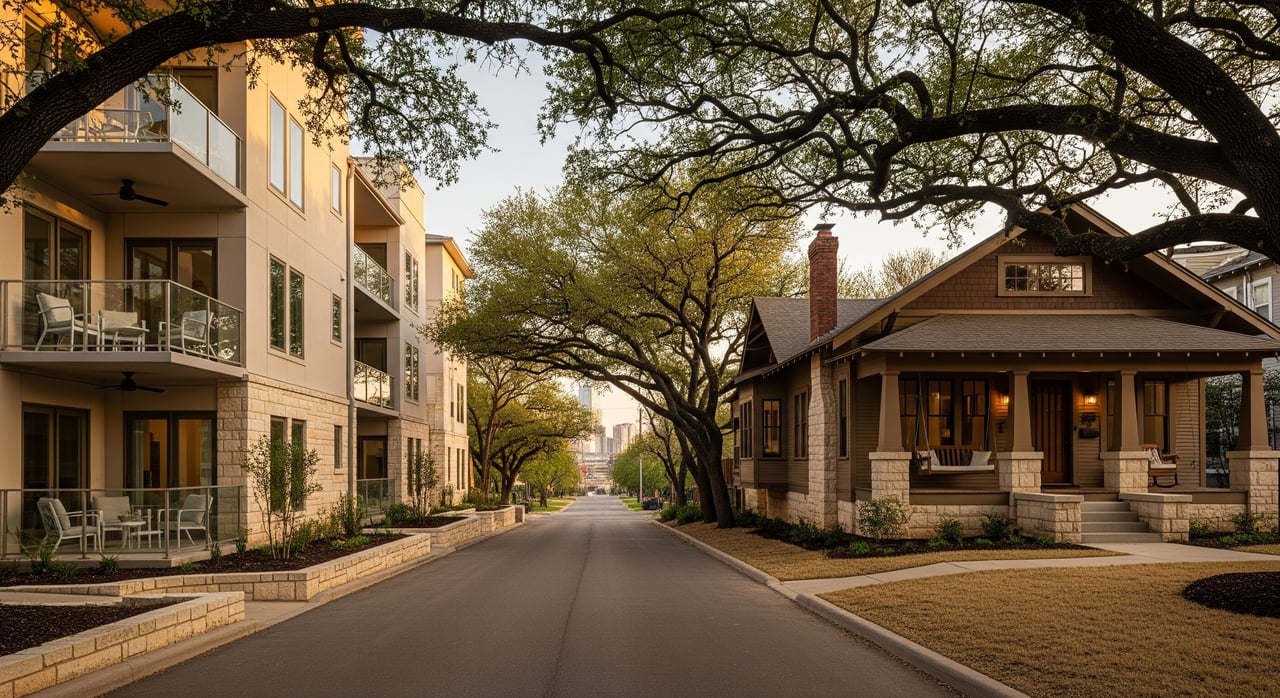
Trying to choose between a condo and a classic bungalow in Travis Heights? You’re not alone. This central Austin neighborhood blends walkable streets, historic charm, and easy access to South Congress and Lady Bird Lake, which makes the decision feel both exciting and complex. In this guide, you’ll compare costs, maintenance, HOA rules, permitting, and lifestyle fit so you can move forward with confidence. Let’s dive in.
Condo vs. bungalow at a glance
Travis Heights is known for early‑20th‑century bungalows on modest lots, plus pockets of low‑rise condos along main corridors. You’ll find a wide range of options in close proximity to parks, trails, and the SoCo scene.
- Condos usually appeal if you want a lower‑maintenance, lock‑and‑leave lifestyle. Building quality and HOA health matter a lot for resale.
- Bungalows draw buyers who value historic character, private yards, and potential for additions or an accessory dwelling unit, subject to current rules.
- Demand is strong for well‑maintained homes in this location, so competition and expectations can be high across both property types.
Total monthly cost: what to expect
Your true monthly cost combines mortgage, property taxes, insurance, utilities, and either HOA dues or maintenance reserves. The mix looks different for each option.
Purchase price and taxes
- Bungalows often command a premium due to scarcity and historic appeal. Renovated homes can price higher.
- Condos may have a lower entry price, although building quality and location can push some into similar price bands as smaller homes.
- Property taxes are assessed by the county and city and can change yearly. Plan to verify the current effective rate and exemptions during your purchase process.
Insurance and risk
- Condos typically carry a master policy for the building and common areas. You buy an HO‑6 policy for interior finishes, personal property, and liability. Always confirm where the master policy stops and your policy starts.
- Bungalows require a full homeowner policy. Older systems or a location in a floodplain can raise premiums.
- Flood insurance may be required if a property sits in a FEMA‑mapped floodplain. Travis Heights includes areas near creeks and the lake, so risk varies by block.
HOA dues vs. private maintenance
- Condos: HOA fees usually cover exterior maintenance, roof, landscaping, common utilities like water or trash, and any shared amenities. Special assessments can occur if reserves are low or large projects arise, so review financials carefully.
- Bungalows: No monthly HOA in most cases. You handle all maintenance, which can be irregular but significant. Budget for roofs, HVAC, exterior paint, pest treatment, and foundation repairs.
Utilities and efficiency
- Condos often have smaller footprints and can use less energy. Some include water and trash in monthly dues.
- Older bungalows may cost more to heat and cool if systems and insulation are original. Upgrades can reduce ongoing costs but need upfront investment.
Typical maintenance drivers
- Bungalows: roofing, foundation or settlement issues, termite or wood rot, exterior wood siding and original windows, plumbing and electrical updates, and HVAC replacements.
- Condos: building‑wide systems like roof and façade, shared plumbing, and possible elevator components in certain buildings. Owners pay through monthly dues and occasional special assessments.
HOA, permits, and rules
Understanding governance and local regulations is critical to your decision and future resale.
What to review for condos
- Budget and reserve study to gauge whether the HOA can fund future repairs.
- Bylaws and covenants for rules on rentals, pets, renovations, and short‑term rentals.
- Insurance declarations to confirm master policy coverage and deductibles.
- Meeting minutes and assessment history for signs of deferred maintenance or upcoming projects.
- Owner‑occupancy mix and any pending litigation or code violations.
- Financing note: some lenders apply stricter project rules for smaller or non‑approved buildings.
What to know for bungalows
- Historic overlays may apply to parts of Travis Heights. Exterior changes can require review or approval, which adds time and cost to projects.
- Renovations that alter exterior character often need extra permits or preservation review.
- Accessory dwelling units can be allowed on many lots based on current city rules. This can add flexibility or income potential when permitted.
- Short‑term rentals are regulated and may require permits. Always verify what is allowed before making plans.
Floodplain and environmental checks
- Proximity to Lady Bird Lake and nearby creeks means some lots may be in flood‑prone areas. Review FEMA maps, any available elevation certificates, and recent flood history.
- Mature trees are a neighborhood asset. They also require care and can affect drainage or foundations.
Lifestyle: outdoor space and parking
Your day‑to‑day routine can look very different in each property type.
- Outdoor space: Bungalows typically provide private front and back yards, room for gardens, and the possibility of an ADU or creative outdoor living areas, subject to rules. Condos may offer a balcony, patio, or shared courtyard and rely more on nearby parks and trails.
- Parking: Older bungalows may have a small driveway, garage, or rely on street parking. Condos usually assign parking spaces and may have limited guest options.
- Yard care: Bungalow owners handle landscaping, tree care, irrigation, and fencing. Condo landscaping and exterior upkeep are usually included in HOA dues.
Resale, financing, and renovation
How each option performs long‑term depends on building health, property condition, and neighborhood dynamics.
Resale drivers
- Shared value factors: proximity to Lady Bird Lake, walkability to South Congress, parking, outdoor space, and overall condition.
- Bungalows: historic charm and yards attract a broad buyer pool. Well‑executed renovations can support strong resale, though historic restrictions can limit certain changes.
- Condos: resale often depends on HOA governance, reserves, owner‑occupancy rates, and rental policies. Well‑managed buildings with healthy financials and clear rules tend to perform better.
Financing considerations
- Condos may require project reviews and owner‑occupancy thresholds for conventional loans. Government‑backed approvals can be more restrictive.
- Single‑family bungalows usually qualify for standard mortgages if the condition meets lender standards.
- If you plan to rent, confirm local regulations and HOA policies before underwriting your purchase on potential income.
Renovation ROI
- Bungalows: quality additions and kitchen or bath updates often see good returns in this location. Preserving historic features can elevate appeal and value but may increase project costs.
- Condos: interior refreshes help marketability, but building‑wide improvements are governed by the HOA and paid through dues or assessments.
Who each option fits
- Downsizers: often favor condos for low maintenance and easy access to amenities. A small bungalow still works if you want a private yard.
- Young professionals or couples: a condo can offer location and simplicity. A modest bungalow can fit if you value outdoor space or future expansion.
- Families: a bungalow’s yard and privacy are usually a stronger fit.
- Investors: options depend on local rules and HOA policies. Some condos allow rentals, while a bungalow may support long‑term rental or ADU potential when permitted.
How to decide: a quick checklist
Use these questions to align the property with your lifestyle and budget.
- Lifestyle: Do you want a private yard for pets, gardening, or kids? If yes, a bungalow likely fits better. If you want lock‑and‑leave convenience, consider a condo.
- Budget and monthly costs: Compare mortgage, taxes, insurance, utilities, and either HOA dues or maintenance reserves. If a bungalow’s price stretches your budget, the right condo can keep you in the neighborhood.
- Project appetite: Comfortable managing renovations and permits, including potential historic review? If yes, a bungalow offers flexibility and upside. Prefer turnkey? Look for a well‑managed condo or a renovated bungalow.
- Risk tolerance: Low tolerance for surprise costs? Favor a bungalow with known recent updates or a condo with a current reserve study and adequate savings.
- Financing: If financing a condo, confirm the building’s eligibility early. If planning rental income, verify city rules and HOA policies first.
Due diligence checklist
Going in prepared helps you avoid surprises and negotiate with clarity.
For condos
- Review HOA budget, reserve study, and recent financials.
- Read bylaws and covenants for rental, STR, pet, and renovation rules.
- Confirm insurance coverage and master policy deductibles.
- Check board meeting minutes and assessment history for repairs or litigation.
- Ask about building systems: roof, plumbing stacks, HVAC, and elevators if applicable.
- Note owner‑occupancy levels and rental percentage.
For bungalows
- Order a full inspection covering structure, roof, HVAC, plumbing, and electrical.
- Assess foundation and soil conditions, especially for older homes.
- Get a termite and pest report and review treatment history.
- Verify historic status and any exterior change requirements.
- Check floodplain status and elevation data, if available.
- Confirm permits for past renovations and request plans for additions.
- Evaluate tree health, drainage, and grading near the foundation.
For both
- Request a comparative market analysis specific to Travis Heights.
- Confirm parking rules, permitting, and on‑street availability.
- Verify utility providers and typical costs.
Your next step
Both condos and bungalows in Travis Heights offer a fantastic central Austin lifestyle. The right choice comes down to how you want to live, what you want to maintain, and how much flexibility you need for the future. If you’d like a neighborhood‑savvy partner to walk through options, review HOA and historic considerations, and tailor a plan to your goals, schedule a personalized consultation with Jessica Galvan.
FAQs
What should a first‑time buyer compare for a Travis Heights condo vs. bungalow?
- Compare monthly costs beyond the mortgage: taxes, insurance, utilities, and either HOA dues or a maintenance reserve. Also review HOA health for condos and potential renovation scope for bungalows.
How do HOA rules affect owning a condo in Travis Heights?
- HOA bylaws can limit rentals, renovations, and pets. Financial health and reserve studies also impact future costs and resale, so review documents and meeting minutes closely.
What historic rules might apply to a Travis Heights bungalow?
- Portions of the neighborhood may fall under historic overlays. Exterior changes can require review and permitting, which can influence timelines and budgets.
Is flood insurance required for properties near Lady Bird Lake or creeks?
- It depends on the exact lot. If the home or building is within a FEMA‑mapped floodplain, lenders may require flood insurance. Always verify during due diligence.
Which option offers better outdoor space and privacy in Travis Heights?
- Bungalows typically provide private yards and more flexibility for outdoor living. Condos usually offer smaller patios or balconies and rely on nearby parks and trails.
How does financing differ for condos vs. bungalows in Austin?
- Condos may face stricter project reviews and owner‑occupancy requirements from lenders. Bungalows often qualify for standard mortgages if the home meets condition standards.