Trying to choose between a newer South Austin home and a classic central Austin bungalow? You are not alone. For many buyers in Austin, this decision comes down to more than age or style. It is really about how you want to live day to day, how much flexibility you want in the future, and what kind of neighborhood feel fits you best. If you are weighing 78745 against older central areas like Travis Heights or spots near Zilker, this guide will help you compare layout, maintenance, outdoor living, and long-term fit. Let’s dive in.
Why This Comparison Matters
At first glance, it can sound like a simple choice: newer home versus older home. In reality, the better comparison is often later-era function versus bungalow-era character.
That matters because 78745 is not one uniform pocket of new construction. It is a large South Austin ZIP with about 61,219 residents across 13.7 square miles, and housing there reflects a mix of postwar homes, infill properties, and later-era construction. One ACS-derived housing source reports an average home age of 1984 in 78745, which helps explain why buyers often find a broader range of floor plans and property types there.
By contrast, central Austin bungalow areas like Travis Heights have a much older housing fabric. The Travis Heights-Fairview Park Historic District includes subdivisions dating to 1877, 1886, and 1913, and the area is known for its layered mix of Victorian-era homes, Craftsman bungalows, Tudor Revival, Spanish Colonial Revival, and later mid-century houses.
Newer 78745 Homes: What You May Gain
More Functional Layouts
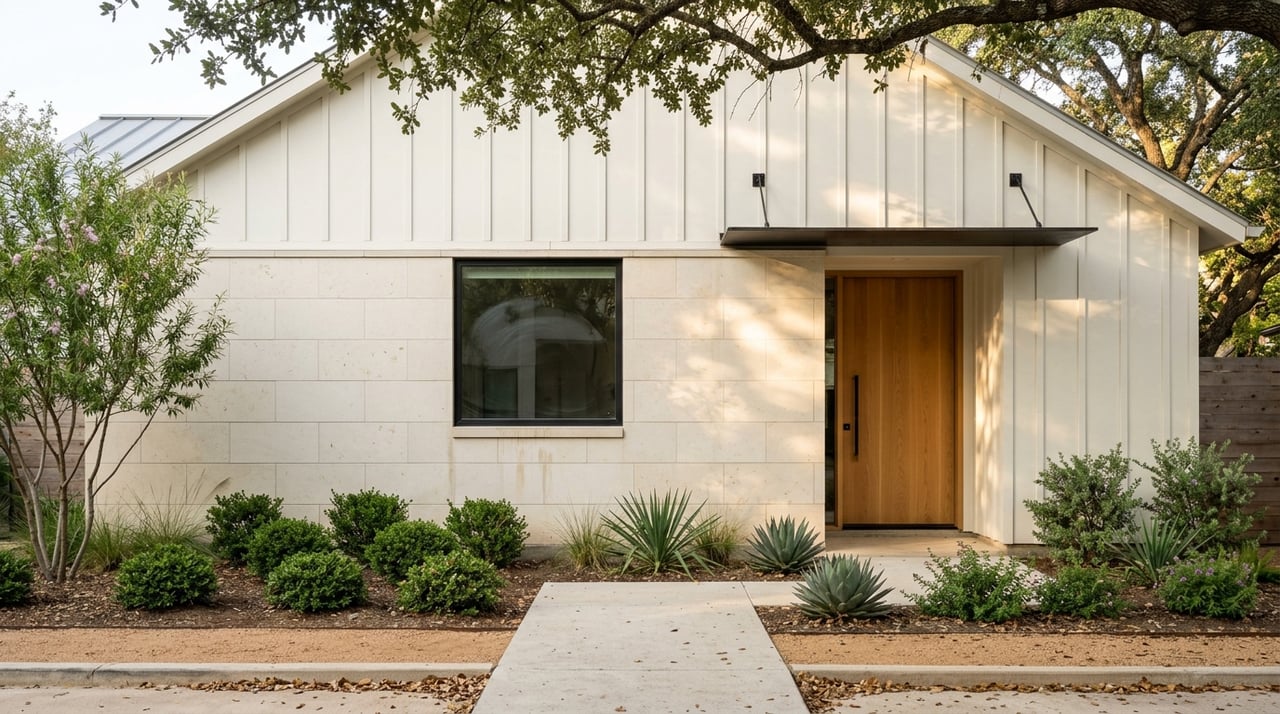
If your daily life depends on flow, flexibility, and practical square footage, newer or later-era homes in 78745 may feel easier to live in. Because much of the housing stock is newer than classic bungalow neighborhoods, buyers are more likely to come across layouts that feel more aligned with modern living.
That can mean more straightforward room placement, larger kitchens, and circulation that feels less compact. While every house is different, the overall pattern in 78745 tends to favor utility and adaptability over historic form.
Fewer Preservation Constraints
For buyers who may want to change a home later, this can be a major advantage. Many newer homes in 78745 are less likely to involve historic-preservation review than homes in older central districts.
That does not mean there are no rules. Standard zoning, permits, floodplain requirements, and tree-related regulations can still apply in Austin. Still, compared with homes in historic settings, many 78745 properties offer a simpler path if you plan to update, expand, or rework exterior elements in the future.
A Practical South Austin Feel
Outdoor life in 78745 often feels more distributed and neighborhood-based. The ZIP includes parks such as Armadillo Neighborhood Park and Battlebend Springs Neighborhood Park, so you still have access to green space and recreation.
The difference is in how that lifestyle shows up. In 78745, outdoor living often feels tied to a broader mix of home types, neighborhood parks, and everyday flexibility rather than a single iconic park-centered experience.
Central Bungalows: What Draws Buyers In
Character You Feel Right Away
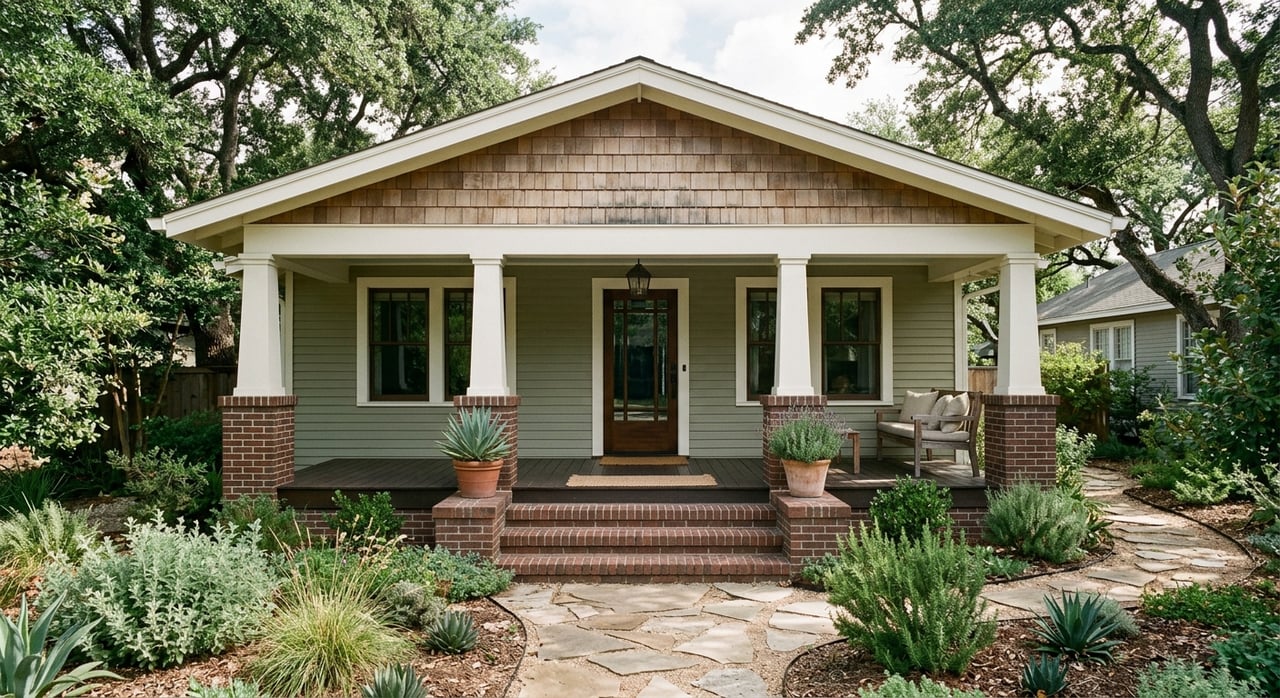
Older central Austin bungalows often make a strong first impression. A City of Austin historic resources survey describes the bungalow as typically one story, with low-pitched roofs, broad overhanging eaves, and prominent porches.
That architecture creates a look and feel that many buyers connect with immediately. Front porches, established streetscapes, and older homes with visible design detail can make these areas feel distinctive in a way that newer construction often does not try to replicate.
A More Compact Interior Layout
The charm of a bungalow usually comes with a different kind of floor plan. According to the City of Austin survey, bungalows often have smaller kitchens, combined living and dining areas, minimal hallway space, and two rows of rooms running front to back.
For some buyers, that compact layout feels efficient and warm. For others, it may feel limiting if you want a large primary suite, expansive kitchen, or open flow between rooms. This is one of the biggest practical tradeoffs in the newer-versus-bungalow decision.
A Strong Sense of Place
In central neighborhoods like Travis Heights, the setting is part of the appeal. The official historic district nomination describes wooded hillsides, creeks, ravines, bluffs, and scenic views, all of which contribute to a neighborhood experience that feels established and layered.
Near Zilker, the lifestyle equation also includes one of Austin’s best-known outdoor assets. Zilker Metropolitan Park spans more than 350 acres and includes Barton Springs Pool, the Butler Hike and Bike Trail, Barton Creek Trail, gardens, and event spaces. For many buyers, that kind of nearby recreation is a major part of what makes central Austin so appealing.
Layout Differences That Affect Daily Life
When you tour homes, it helps to focus less on age alone and more on how the layout supports your routines. This is where the gap between 78745 and central bungalows often becomes very clear.
A later-era home in 78745 may be a better fit if you want:
- More straightforward room flow
- Larger or more open kitchen spaces
- A layout that feels easier for modern daily routines
- Greater flexibility for future updates
A central bungalow may be a better fit if you want:
- Architectural character and porch appeal
- A compact footprint with less wasted space
- A stronger sense of history and established streetscape
- A home that feels tied closely to its neighborhood identity
Neither option is automatically better. The right answer depends on whether you value function-first living or character-first living.
Renovation Questions to Ask Early
Historic Review Can Change the Process
This is one of the most important differences in the comparison. Austin’s Historic Preservation Office states that if a property is a historic landmark or a contributing property in a historic district or National Register district, the owner must submit a historic review application for exterior alterations, additions, permanent site work, signs, and stand-alone ground-up new construction.
In practical terms, that means your plans may involve additional review steps if you buy in an older central area. This matters in Travis Heights-Fairview Park because it is a National Register district, and exterior changes or additions can involve review even if the property is not in a locally designated historic district.
Interior vs Exterior Changes
Not every project triggers the same level of review. Austin’s local historic-district guidance says ordinary repairs and interior alterations generally do not require approval, while design standards can affect things like setbacks, height, landscaping, parking, and exterior materials.
If you love an older bungalow but know you will want to expand or significantly alter the outside, it is wise to understand those rules before you buy. If you want fewer preservation-related variables, a newer South Austin home may feel simpler.
Outdoor Lifestyle: House or Neighborhood?
A helpful question to ask yourself is this: do you want your outdoor life to come mainly from the property, or from the surrounding neighborhood experience?
In central bungalow areas, outdoor living often feels deeply connected to the neighborhood itself. Mature trees, shaded streets, topography, porches, and major destinations like Zilker create an experience-driven setting that many buyers find hard to duplicate elsewhere.
In 78745, the appeal is often more practical and flexible. You may find a broader range of lot types, later-era homes, and neighborhood park access without the same historic or architectural expectations. That can be a better fit if you want South Austin access with fewer lifestyle tradeoffs tied to an older home form.
Which Buyer Fits Each Option Best?
If you are trying to narrow the choice, this simple framework can help.
Newer 78745 Homes May Fit You Better If
- You want more functional square footage
- You prefer later-era layouts over compact historic plans
- You may want to alter or expand the home later
- You want a practical South Austin option with a mix of property types
Central Bungalows May Fit You Better If
- You value charm, porches, and architectural detail
- You enjoy mature trees and an established neighborhood setting
- You want a home with a strong sense of local history
- You are comfortable with a more compact interior layout
This is often less about budget or style alone and more about how you want your home to support your routine, future plans, and connection to place.
How to Make the Right Choice
If you are torn between the two, try looking at homes through four filters:
- Layout: Do you want open, later-era function or compact bungalow charm?
- Maintenance: Are you comfortable with the realities of an older home?
- Future plans: Do you want flexibility to renovate, expand, or rebuild later?
- Lifestyle: Do you want neighborhood character and iconic park access, or a more practical South Austin setup?
When you answer those questions honestly, the right fit usually becomes much clearer.
In Austin, a home is never just about square footage. It is also about rhythm, setting, and what your day feels like once you live there. If you want help comparing homes in 78745 with central Austin options like Travis Heights or Zilker, Jessica Galvan can guide you through the details with a clear, personalized approach.
FAQs
What is the main difference between newer 78745 homes and central Austin bungalows?
- The biggest difference is often layout and lifestyle. Homes in 78745 are more likely to offer later-era floor plans and fewer preservation constraints, while central bungalows often offer more character, porch appeal, and a stronger historic setting.
Are all homes in 78745 newer construction?
- No. 78745 is a large South Austin ZIP with mixed-age housing. One housing source reports an average home age of 1984, which suggests a blend of postwar homes, infill, and later-era construction rather than one uniform housing type.
Do central Austin bungalows have different floor plans than newer homes?
- Yes. Classic bungalows are often one story with smaller kitchens, combined living and dining areas, minimal hallway space, and a more compact room arrangement than many later-era homes.
Do historic district rules affect Travis Heights homes?
- They can. If a property is a historic landmark or a contributing property in a historic district or National Register district, exterior changes, additions, permanent site work, signs, and stand-alone new construction may require historic review.
Is outdoor living better in 78745 or near Zilker and Travis Heights?
- It depends on what you want. Near Zilker and Travis Heights, outdoor living is often shaped by mature trees, topography, porches, and access to major recreation areas. In 78745, outdoor life tends to be more distributed through neighborhood parks and a wider mix of property types.
Which option is better if I may renovate later in Austin?
- In general, a newer home in 78745 may offer a simpler path if you want future exterior changes or additions. In older central areas, especially where historic review applies, renovation scope and timing can be more affected by local review standards.